Understanding ABA
Bright Behavioral Health Team
3 min read


What ABA therapy is, how it works and what sessions look like, explained in plain English for parents in Miami considering therapy for their child.
If your child was recently diagnosed with autism, someone has probably mentioned ABA therapy. Maybe your pediatrician, maybe another parent. It can sound technical at first. It doesn’t need to be.
This guide explains what ABA therapy is, how it works day to day, who it helps and what to look for in a provider. No jargon, just what parents usually want to know first.
What ABA stands for
ABA stands for Applied Behavior Analysis. It is a way of understanding how behavior works and using that understanding to teach new skills. In practice, that means breaking skills into small, achievable steps and celebrating each step your child gets right.
ABA is one of the most widely used and studied approaches for children with autism. It is also the therapy most health insurance plans and Florida Medicaid cover for autism.
What ABA therapy actually works on
Every child’s plan is different, but most goals fall into a few areas:
Communication: asking for what they want, using words, signs or pictures, and understanding what others say.
Social skills: taking turns, playing with other children and joining group activities.
Daily living skills: routines like eating, dressing, toileting and moving from one activity to the next.
Behavior: replacing frustration, meltdowns or unsafe behavior with safer ways to communicate and cope.
Learning readiness: paying attention, following directions and getting ready for school.
The goal is not to change who your child is. It is to give them skills that make everyday life easier and more independent.
How a session works
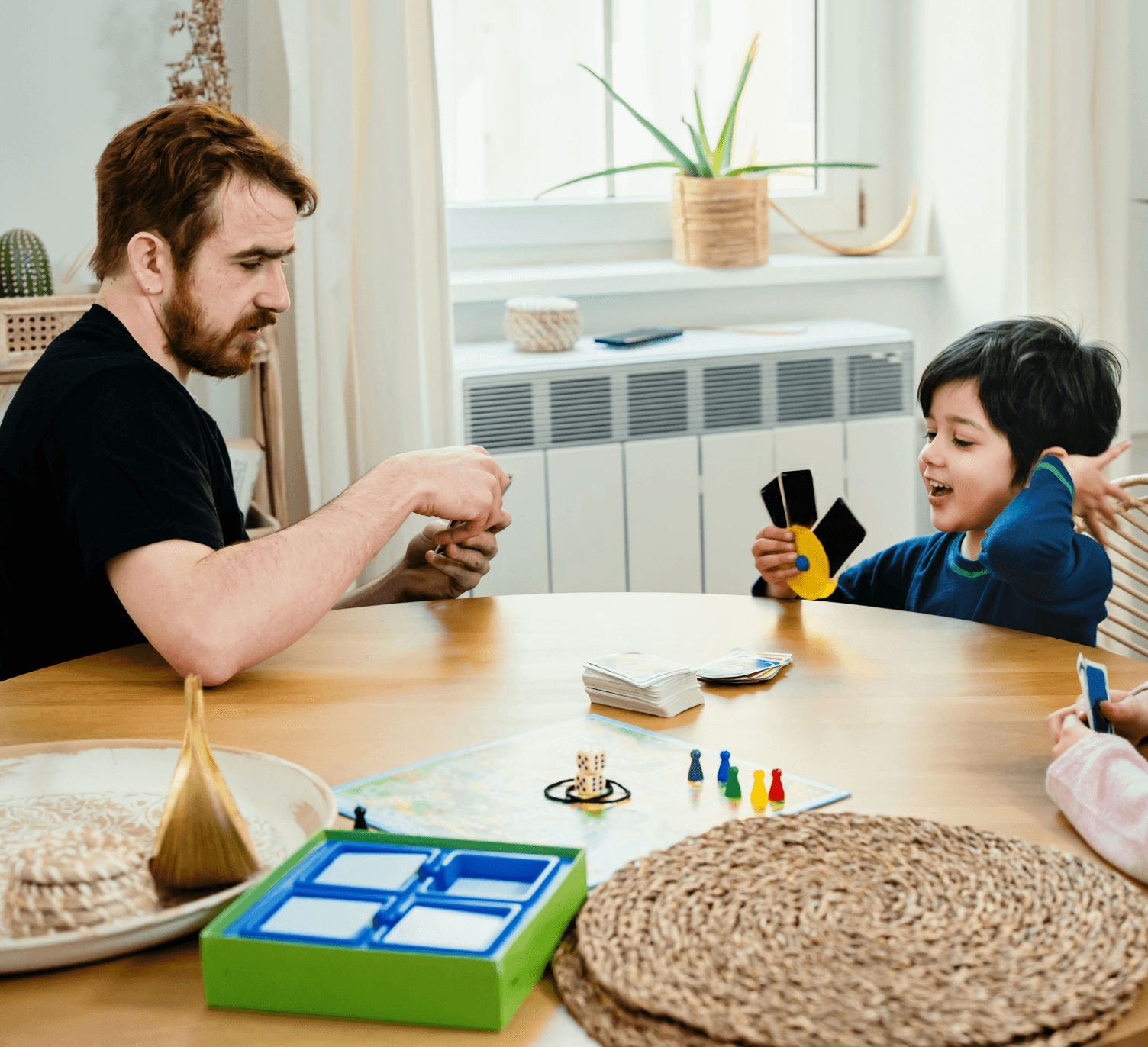
Many parents picture a child sitting at a table doing drills. Modern ABA looks a lot more like play. A therapist might use a favorite toy to practice asking for help, or a game of catch to practice taking turns.
Most sessions are one-on-one. A trained therapist, often a Registered Behavior Technician (RBT), works directly with your child. A Board Certified Behavior Analyst (BCBA) designs the plan, supervises the therapist and adjusts goals as your child progresses.
Progress is tracked closely. Therapists record how your child does on each goal during every session, so the team can see what is working and change what isn’t.
How the process starts
Diagnosis and referral. Most insurance plans require an autism diagnosis and a doctor’s order before ABA begins. Our guide on getting an autism diagnosis in Miami walks through that step.
Assessment. A BCBA meets your child and family to learn their strengths, challenges and your goals.
Treatment plan. The BCBA writes a plan with specific goals and recommends a number of weekly hours.
Insurance approval. Many plans require prior authorization before therapy starts.
Therapy begins. Sessions start, and you get regular updates and parent training along the way.
The role of parents
Parents are part of the team. Good ABA programs teach you simple strategies to use at home, so the skills your child learns in sessions carry over into everyday life. This is often called parent training, and it is one of the most valuable parts of therapy.
Is ABA right for my child?
ABA can help children of many ages and support levels, from toddlers who are not yet talking to teens working on independence. The best way to know is to talk with a BCBA about your child specifically.
At Bright Behavioral Health, we offer center-based ABA therapy for children and teens ages 2 to 17 at our Kendall center, in English and Spanish. Our programs are organized by age: Early Learners for ages 2 to 6, Growing Minds for ages 6 to 12 and Teens & Beyond for ages 13 to 17.
Next steps
If you think ABA might help your child, the simplest first step is a conversation. We can answer your questions and check your insurance coverage for free. Request a free consultation or call us at (786) 478-6937.
Frequently Asked Questions
Is ABA therapy only for children with autism?
ABA is most often used for autism, and that is what most insurance plans cover it for. Its principles can also help with other developmental and behavioral needs, but coverage outside autism varies.
How many hours of ABA therapy will my child need?
It depends on your child. After a full assessment, the BCBA recommends a number of weekly hours based on your child’s needs and your family’s goals.
Does insurance cover ABA therapy in Florida?
Many private plans and Florida Medicaid cover ABA therapy for autism. Coverage depends on your plan, so it is worth having your benefits checked before you start.
Free consultation
Have questions about your child?
Our team can talk through your concerns, check your insurance for free and explain next steps, in English or Spanish.
Call us
(786) 478-6937
Visit us
14201 SW 120th St, Suite 203, Miami, FL 33186
Hours
Monday to Friday, 9:00 AM to 5:00 PM